

My patients with Adrenal Fatigue commonly dismissed as having depression or anxiety. This myth stems from most well-meaning physicians finding no biological abnormality (though they exist) for the various symptoms with which my patients present. The next logical step—though inaccurate—for these physicians is to assume and often tell the patient “it’s all in your head.”
The myth that depression is the cause of these conditions has repeatedly been scientifically refuted. If your physicians continue to have this line of thinking, they are simply ignorant of the current research,. It should be a warning sign to you that you should start your search for a new doctor.
At a conference I attended, a forward-thinking psychiatrist said that one could easily tell the difference between a depressed patient and a patient with Adrenal Dysfunction by asking one question: “What would you do if you were better?” A person suffering from depression has difficulty with this; she will hem and haw and finally be unable to answer. Ask this of a patient with Adrenal Fatigue? You better have some time to sit back and listen, because she will regale you with various plans and goals, and ultimately with the frustration of not being able to achieve these goals.
This is not to say that my patients do not suffer periodically from depression. Honestly, I’d start worrying about their mental health if they didn’t. Most cannot live the life they once knew, and no one seems to have answers. They’ve likely tried numerous treatments from practitioners that have promised them they’d be better in short order, and these treatments have failed them. Ultimately, the chronic fatigue and chronic inability to live causes the depression, not the other way around.
We have all been groomed to think of the symptoms of anxiety and depression as a purely psychological phenomenon; however, this is not the whole picture. I look at anxiety and depression differently. I see anxiety and depression as symptoms of the underlying condition of a chronically activated stress response system, a.k.a. Adrenal Fatigue. In fact, we know from conventional research that excess levels of the stress hormones cortisol and adrenaline cause numerous symptoms, including, but not limited to, anxiety and depression.
In addition to the damage from cortisol and adrenaline, the limbic system of the brain— the “CEO” of the stress response—gets involved in the creation of anxiety and depression, as well. The limbic system becomes trigger-happy with exposure to chronic stress over time, which then gets the body stuck in a stress response. The “sensitization” of this part of the stress response is well known to cause the symptoms of anxiety and depression.
Conventional treatment of the mental health issues of anxiety and depression is purely symptomatic and almost always uses pharmaceuticals. This is akin to putting a Band-Aid over a wound, but this is a festering wound. As a result, you may not feel or see the symptoms anymore, but you’ve only covered up the result of the infection; the underlying problem persists and worsens over time. Treating depression and anxiety on a symptomatic level is shortsighted. These symptoms are just the tip of the iceberg.
Anxiety and depression are not all in your head, nor are the conditions of Chronic Fatigue Syndrome and Fibromyalgia. This is well-documented in current medical research and has been for years. Anyone who tells you “it’s all in your head” is revealing their ignorance.
Comprehensive and holistic treatment of the stress response system itself, as is provided in my one-on-one program, controls all of the damaging stress hormones, including cortisol and adrenaline. This treatment heals and rewires the limbic system in the brain. This will alleviate your anxiety and depression.
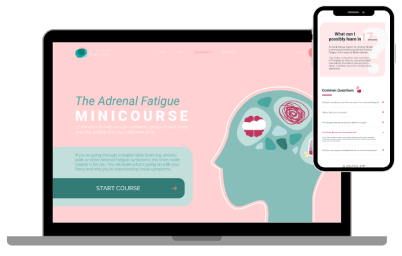
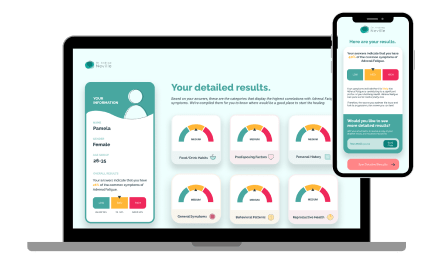
This is a quick self assessment tool for those suspecting something else might be at the root of their myriad symptoms.
If you’d like to help your friends and family understand what your’e going through, this letter from Dr. Neville will help.